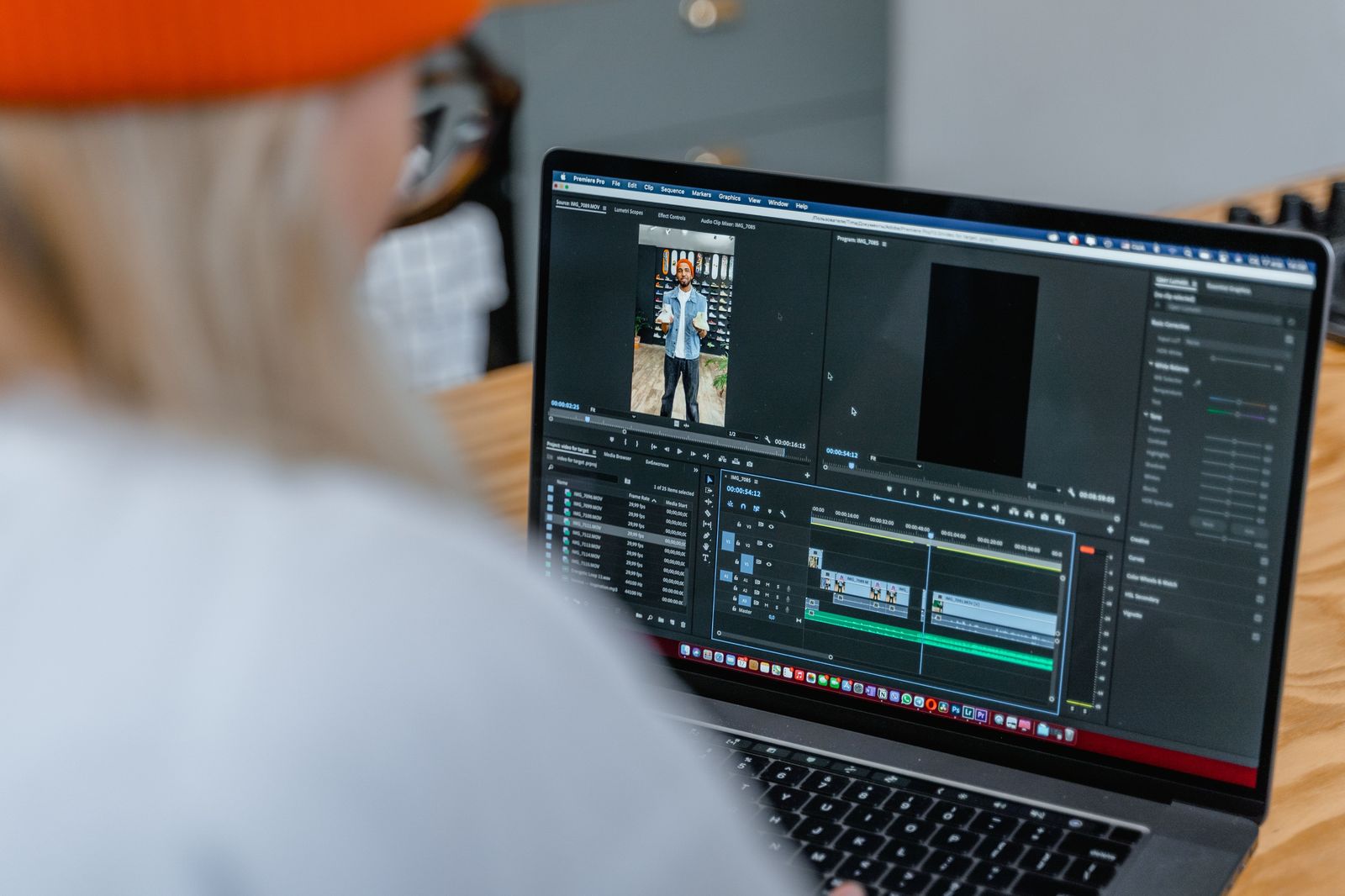
Why Demand for Video Editors Keeps Climbing
Video now accounts for more than 85% of all global internet traffic. Every business, creator, and brand producing content needs someone to turn raw footage into a polished, platform-ready final cut — and most don't have the time or skill to do it themselves.
Short-form content has made this even more urgent. Instead of one long video a month, brands now need dozens of short clips, ad variants, and platform-specific versions — multiplying the actual editing workload even as individual videos get shorter.
Step 1: Learn the Core Tools
- CapCut — fast, template-driven editing ideal for short-form content and beginners
- Descript — edits video by editing a text transcript, dramatically speeding up talking-head content
- Runway ML — AI-powered effects and background tools for more advanced projects
Step 2: Pick a Specific Niche
The biggest mistake new editors make is leading with software instead of a niche. "I edit Premiere Pro" is a commodity. "I edit weekly YouTube videos for finance creators" is a business. Pick a specific format plus a specific audience, and marketing becomes dramatically easier.
Step 3: Build a Portfolio Before You Pitch
Re-edit publicly available footage or offer a few free edits to build 3–5 strong portfolio pieces before approaching paying clients. Clients hire based on what they can see, not promises.
Step 4: Use AI to Ship Faster, Not to Replace Judgment
AI tools now handle repetitive tasks like auto-captioning and background removal well, but they're still weak at storytelling, pacing, and taste. Editors who use AI to move faster while focusing their own time on the creative decisions are consistently out-earning editors who avoid AI tools altogether.
Freelance Video Editing Rate Benchmarks (2026)
| Editing Type | Typical Rate |
|---|---|
| YouTube long-form editing | $35 – $75/hour or $150–$500/video |
| Short-form / Reels & Shorts | $15 – $50/video |
| Commercial / brand video | $75 – $125/hour |
| Top YouTube editors (established) | $8,000 – $15,000/month |
Frequently Asked Questions
Conclusion
Video editing remains one of the most in-demand remote skills of 2026, with businesses consistently struggling to find qualified editors despite growing video budgets. Learn a core toolkit, pick a specific niche instead of a generic "I edit videos" pitch, build a real portfolio, and use AI to accelerate the mechanical work while keeping the creative judgment human. That combination is what clients are actively paying premium rates for.